
The Unfinished Obelisk in Aswan is the one stop that shows you how Egypt was actually built
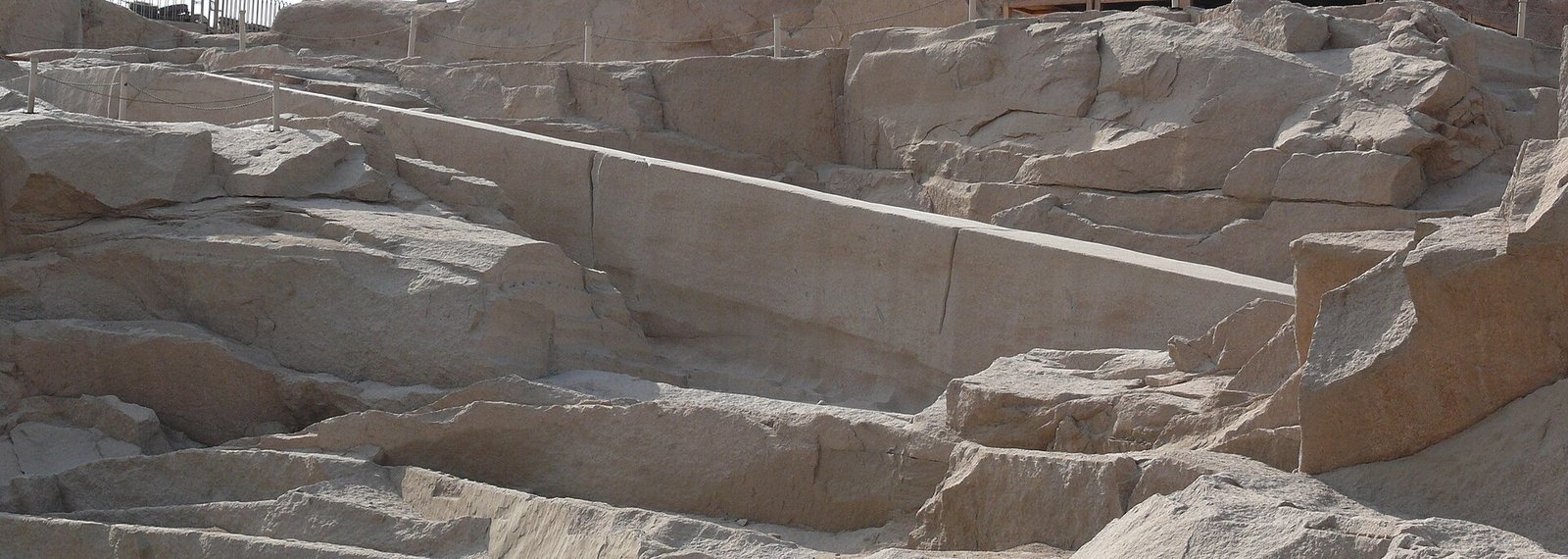
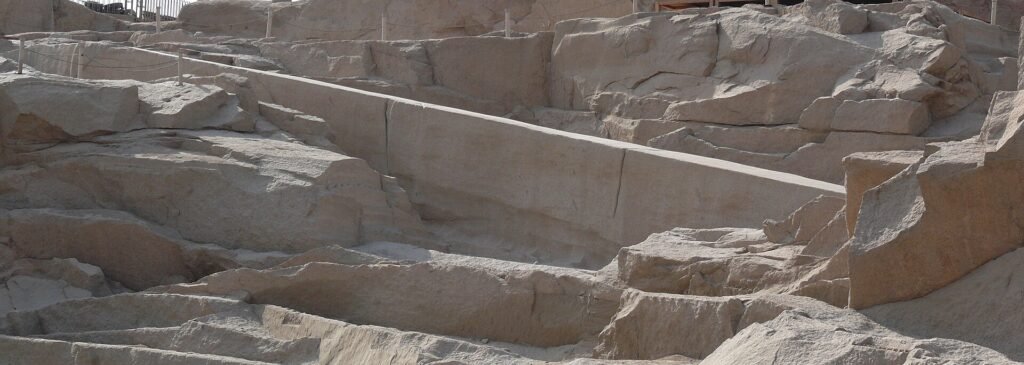
The Unfinished Obelisk in Aswan is the one stop that shows you how Egypt was actually built
The Unfinished Obelisk is a single shaft of red granite, about 42 meters (137 feet) long and a little over 1,000 tons, still lying in the quarry on the southern edge of Aswan where it was cut around 3,500 years ago. It would have been the largest obelisk ever raised, roughly a third bigger than anything that stood, and it was abandoned when a crack opened across the granite before the workers could free it from the bedrock. Because it was never finished, it keeps every mark of the process: the trenches, the pounding scars, the test cuts. Most people see it in under an hour on the same morning as Philae and the High Dam, early or late to beat the heat.
What the Unfinished Obelisk actually is
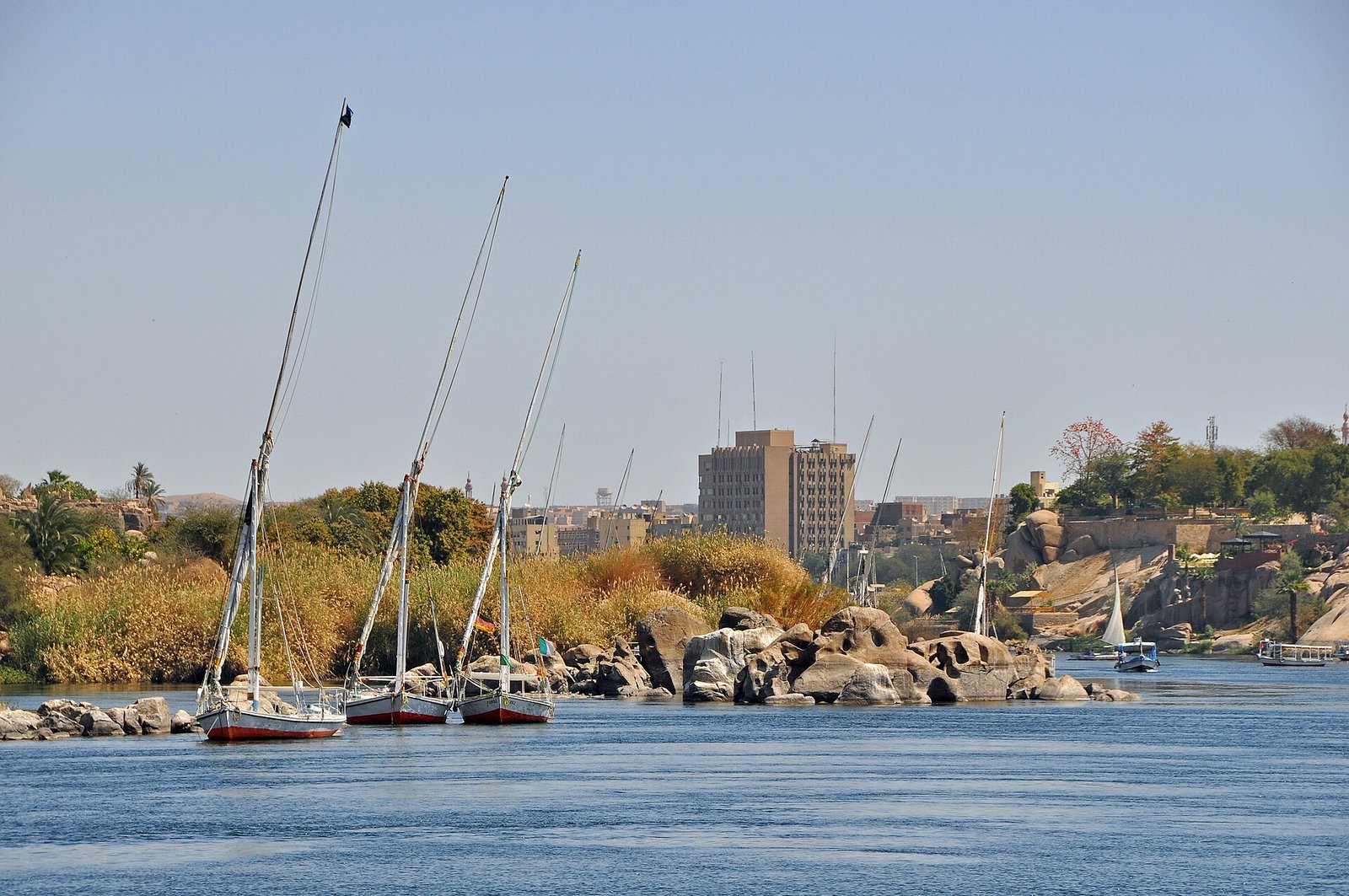
Aswan sits on granite. The Nile squeezes through the First Cataract here, and the hills on both banks are the pink and red stone pharaohs used for anything that had to last: obelisks, sarcophagi, colossal statues, temple door frames and the inner chambers of the Great Pyramid. The quarries on the southern edge of town supplied that stone for more than two thousand years.
The Unfinished Obelisk is the largest piece anyone ever tried to take out of them. It lies on its side in a shallow trench, three faces shaped, the fourth still fused to the bedrock. Walk its length and you are walking a fourteen-story building laid flat.
It is not a monument. It is a workshop that was locked and left, and that is the point. A finished obelisk at Karnak tells you nothing about how it was made; this one tells you almost everything. The site is an open-air museum with paths over the granite, a platform above the shaft and a walk down to the tip, a short drive from the Corniche, which is why it slots so easily into the usual round of Aswan excursions.
Why it was abandoned: the crack
The story is simple and, for the men who spent months on it, brutal. With the top and both long sides finished and the undercutting under way, a large fissure appeared across the shaft. Granite has natural flaws, and this block had one nobody could see until the trench went deep enough to expose it.
You can still see the crack today, a jagged line across the width of the obelisk. It meant the shaft could never be lifted in one piece. There are marks suggesting the crew considered a shorter obelisk from the sound section, but that was given up too, and the quarry was left as it stood.
Three details to notice when you stand over it:
- The fissure follows the natural grain of the rock. It was there before the first pounder hit the surface.
- The shaft was far along when it failed. The pyramidion at the tip is roughed out and the sides are close to their final line.
- The crack is what saved it for us. Had it come out clean, it would be standing somewhere inscribed and polished, and this quarry would be an unremarkable pit.
How obelisks were quarried with dolerite pounders
New Kingdom Egyptians had copper and bronze, and neither will cut granite. Iron was not yet in the toolkit. What they had was a harder stone: dolerite, a dense dark rock from the nearby desert. Rounded dolerite balls about the size of a cantaloupe, weighing several kilograms each, were the main tool, and hundreds have been found in the quarry.
The method ran like this:
- Choosing the block. A stretch of granite with no visible flaws and enough length for the shaft.
- Clearing the surface. The weathered skin was removed, probably with fire to crack it and water to shock it, then pounded away.
- Pounding the trenches. Men crouched in a line along each side of the planned shaft and hammered the granite with the dolerite balls, each blow removing a pinch of dust, until the trenches were deep enough to stand in. The dimpled texture on the trench walls is the fingerprint of that pounding.
- Dressing the faces. Top and sides were brought to a straight line with the same pounders and checked with straightedges.
- Undercutting. The hardest step. From both trenches the crew pounded horizontally beneath the shaft until only a spine of rock held it. This is exactly where the Unfinished Obelisk was when the crack appeared.
- Moving out. A freed shaft went onto sledges, down to the river and north on the flood.
Hatshepsut's inscription on the base of her standing obelisk at Karnak says her pair was quarried and raised in seven months. Boast or fact, it tells you the Egyptians counted this work in months, with hundreds of men pounding in shifts. Our page on hieroglyphs and how to read them is the companion to this one.
How big it is next to the obelisks that stood
Numbers are hard to picture until you compare them. The Unfinished Obelisk would have stood about 42 meters (137 feet) and weighed a little over 1,000 tons by the standard estimate. Nothing the Egyptians raised comes close, and the ones that stand are already astonishing.
| Obelisk | Where it stands | Approximate height | Approximate weight |
|---|---|---|---|
| Unfinished Obelisk | Aswan quarry, never raised | 42 m (137 ft) | A little over 1,000 tons |
| Lateran Obelisk (Thutmose III, from Karnak) | Rome | 32 m (105 ft) | Around 450 tons |
| Hatshepsut's obelisk | Karnak, Luxor | 29.5 m (97 ft) | Around 320 tons |
| Ramesses II obelisk | Luxor Temple | 25 m (82 ft) | Around 250 tons |
| Twin of the Luxor obelisk | Paris | 23 m (75 ft) | Around 230 tons |
| Cleopatra's Needles (Thutmose III) | London and New York | 21 m (69 ft) | Around 200 tons each |
Two things fall out of that table. The Aswan shaft is more than twice the weight of the largest obelisk ever set upright. And the crack may have been a mercy, because raising a thousand-ton monolith would have pushed every technique the Egyptians had past its known limit. Every obelisk in the table is one stone; this one would have been about the length of a Boeing 737 fuselage.
Who ordered it: the Hatshepsut reading
The shaft carries no inscription, so its owner has to be inferred. The usual reading, going back to the first detailed survey of the site in the early twentieth century, assigns it to Hatshepsut, the queen who ruled as pharaoh in the fifteenth century BC and one of the great obelisk builders. She raised a pair at Karnak, one still standing, and a shaft of this size fits the scale of her building program.
It is a reading, not a certainty. Some Egyptologists argue for Thutmose III, her co-ruler and successor, who also raised obelisks at Karnak. What everyone agrees on is the period: the New Kingdom at its height, when Thebes was being rebuilt in stone and demand for Aswan granite was at its peak.
Why does it matter to a visitor? Because it changes what you see at Karnak two days later. Stand under Hatshepsut's surviving obelisk, look up at 29 meters of polished granite, and remember the same workshops were cutting a shaft half again as tall. Our page on the pharaohs and how their power worked explains why a ruler would spend a nation's effort on one stone.
The quarry walk: heat, footing and what to look for
The visit is a walk over bare granite with almost no shade, and the rock stores and reflects heat. In summer Aswan regularly passes 40 C (104 F) by late morning and the quarry floor feels hotter. Even in winter, when the city sits at a pleasant 22 to 26 C (72 to 79 F), the midday sun is strong.
The route runs from the entrance up a paved path to the platform above the shaft, then along its length and down to the tip. Most groups stop at the platform, take a photo and leave. Do not. The details that make the place are at ground level:
- The crack, best seen from the side, where you can follow it across the full width.
- The trench walls with their dimpled pounding texture, a surface you can put your hand on.
- The roughed-out pyramidion at the tip, where the finished shape is already visible.
- Test pits and smaller abandoned cuts in the surrounding rock.
- Dolerite pounders displayed near the path.
Wear shoes with a firm sole; the granite is uneven and slick in places. Bring water, a hat and sunscreen. There are stairs and few railings, so tell us about limited mobility in advance and the guide keeps to the platform. Our guide to what to pack for Egypt covers the rest.
How long it takes and the best time of day
Allow 45 minutes to an hour on site with a guide, including the walk to the tip and the explanation at the crack. Without a guide most people are back at the car in twenty minutes, which tells you how much of the visit is in the telling.
The best time is early. In the first hour after opening the light is low and raking, which throws the pounding marks and the crack into relief and makes far better photographs. The rock has not heated, and you have the site nearly to yourself before the cruise buses arrive mid-morning. Second best is the last hour of the afternoon, when the granite turns deep red in the low sun.
Midday in the warm months is the slot to avoid. From April to October the quarry between noon and three is hard going, and the flat glare kills the detail on the stone. Our page on the best time to visit Egypt goes month by month; for Aswan the rule is simple, the cooler the month, the more of the quarry you will enjoy on foot.
Fitting it into the Aswan day with Philae and the High Dam
The obelisk is almost never a visit on its own. It is one of three stops that make the classic Aswan half day, with the High Dam and the temple of Philae, and the three sit close enough for a driver to link them in a morning. The order decides when you are on open granite and when you are on the water.
| Order | Stop | Time on site | Why this order works |
|---|---|---|---|
| 1 | High Dam | 20 to 30 minutes | A quick stop at the crest for the view over Lake Nasser, cool at that hour. |
| 2 | Unfinished Obelisk | 45 to 60 minutes | Still early, granite not yet hot, light raking across the pounding marks. |
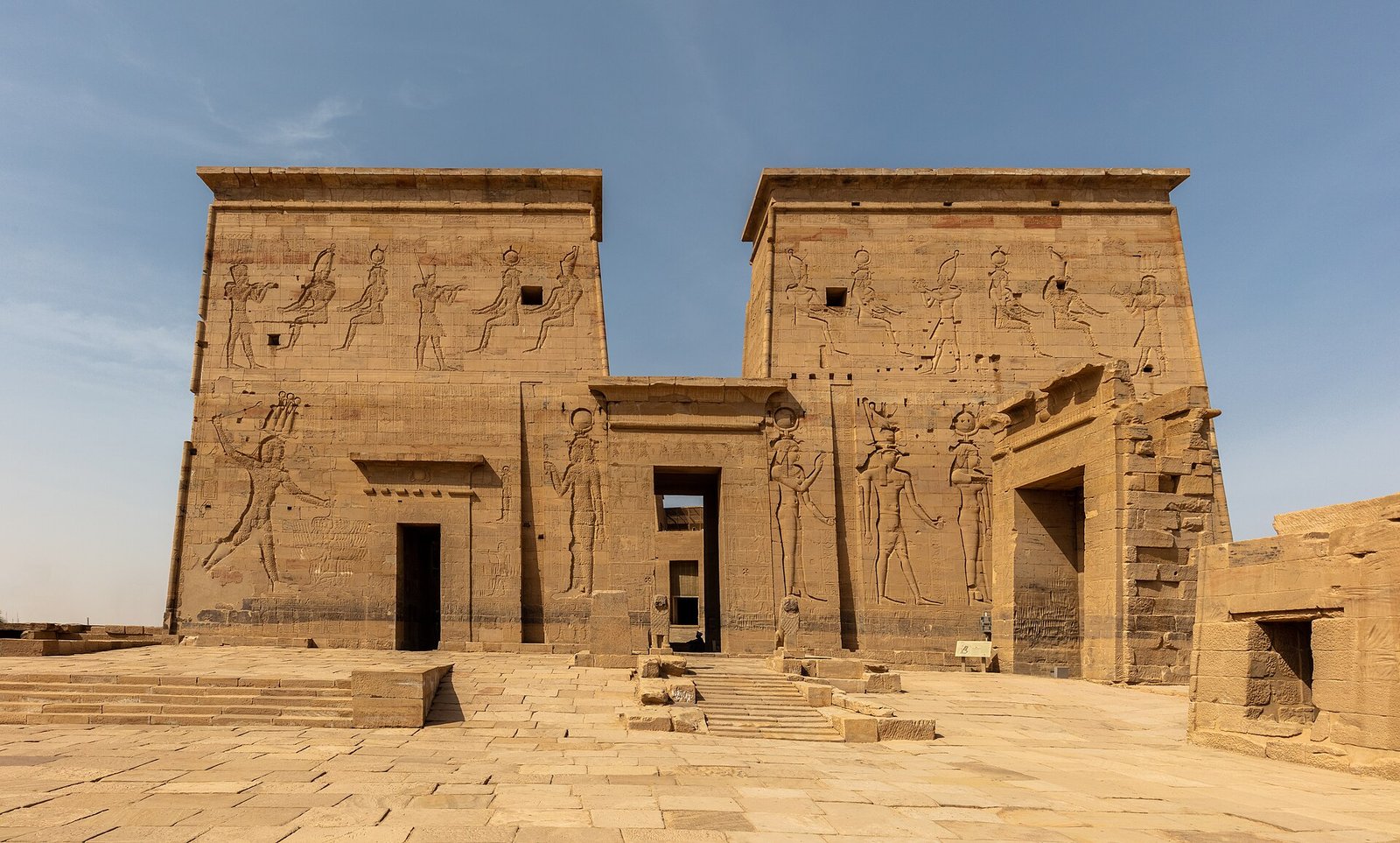
| 3 | Philae | 90 minutes to 2 hours | A boat ride to the island and shade inside the temple courts for late morning. |
In summer we never run it in reverse, because Philae first puts you on bare rock at noon. A felucca around Elephantine or a visit to a Nubian village on the west bank goes in the late afternoon, when the river is the best place to be.
The dam is an engineering site, not a beautiful one; its interest is the lake behind it and the temples moved to save them from the water, Philae among them. Abu Simbel is a separate day, usually an early start by road and back by mid-afternoon; our page on how to visit Abu Simbel keeps the two days from colliding.
What an Egyptologist guide adds at the quarry
This is the site in Egypt where a guide makes the biggest difference per minute. At Karnak the monuments carry you even in silence. Here, without someone to read the rock, you see a long trench and a big stone. With someone who knows it, you see a production line.
A good Egyptologist will:
- Show where the fissure runs and why the crew could not have known until the trench went deep.
- Put a dolerite pounder in context, from its weight to the shifts a shaft this size implied.
- Point out the test pits and shorter cuts nearby, where the crew tried to salvage a smaller obelisk.
- Explain the transport that never happened: sledges, the causeway to the river, barges built for the flood, and the raising method most scholars favor, a ramp ending in a sand-filled pit.
- Connect it forward to Karnak and Luxor, so the standing obelisks read as the finished version of this one.
The guides who work with Explora Egipto in Aswan are licensed Egyptologists who live in the city. They know when the buses arrive and where the shade is, and they know when to stop talking and let you stand on the shaft for a while.
How Explora Egipto runs the Aswan day
We are a local agency based in Egypt with our own drivers, vehicles and guides, and Aswan is a city we work in every week of the year. The day around the Unfinished Obelisk runs like this:
- Pick-up from your hotel, your cruise ship at the dock, or the airport if you have flown down from Cairo that morning. The domestic flight is short, and an early arrival still leaves the full morning for the three sites.
- High Dam first, a brief stop while the air is cool.
- Unfinished Obelisk with the guide, the full walk to the tip, and time at the crack.
- Philae by motorboat, explained court by court in the shade.
- Lunch in town, or on board if you are joining a cruise.
- Afternoon free, or a felucca and the Nubian village at the river's best hour.
For most travelers this is the first or last day of a Nile cruise between Aswan and Luxor. The boats sail after this exact morning, so the quarry is often the first ancient site you see up close, the right order: the stone first, then the temples built from it. Guide and tickets are included at every stop. We adjust the day to the season, the ship's sailing time and how much walking you want. Ask us for the quote and we send the full plan with it.
Frequently asked questions
What is the Unfinished Obelisk in Aswan?
It is a giant shaft of red granite, about 42 meters (137 feet) long and a little over 1,000 tons, that was being cut from the bedrock in the ancient quarries of Aswan and was abandoned before it could be freed. It would have been the largest obelisk ever raised. Because it was never finished, it preserves the trenches, tool marks and test cuts that show how the Egyptians quarried granite.
Why was the Unfinished Obelisk abandoned?
A large natural crack opened across the shaft while the workers were undercutting it. The flaw ran with the grain of the granite and could not be seen until the trenches were deep. The block could not be lifted in one piece without breaking, and after an apparent attempt to salvage a shorter obelisk from the sound section, the crew gave up and left it in place.
Who ordered the Unfinished Obelisk?
The shaft carries no inscription, so the owner is inferred. The usual reading attributes it to Hatshepsut, the queen who ruled as pharaoh in the fifteenth century BC and raised a pair of obelisks at Karnak, one of which still stands. Some scholars argue for Thutmose III. Either way it belongs to the New Kingdom, when Aswan granite was in greatest demand.
How did the Egyptians cut granite without iron tools?
With dolerite, a harder stone. Workers pounded the granite with heavy dolerite balls, removing a little dust with each blow, until trenches formed around the planned shaft. The same pounders dressed the faces and undercut the block from both sides. Fire and water probably helped strip the weathered surface. The dimpled texture on the trench walls at Aswan is the trace of that pounding.
How long does a visit to the Unfinished Obelisk take?
About 45 minutes to an hour with a guide, including the walk from the platform down to the tip and the explanation at the crack. It is a short drive from the center of Aswan and is almost always combined with the High Dam and the temple of Philae in one morning. Go early or late in the day, because the site is open granite with almost no shade.
Can I combine the Unfinished Obelisk with Philae and the High Dam in one day?
Yes, and that is the standard Aswan morning. The usual order is the High Dam first while it is cool, then the obelisk before the granite heats, then Philae by boat with shade inside the temple for late morning. The afternoon is free for a felucca or a Nubian village. Explora Egipto runs this exact day with a licensed Egyptologist guide, driver and tickets included.
See the stone before you see the temples
Tell us your dates, whether you are joining a Nile cruise, and how much walking you want, and we come back with an Aswan day built around the Unfinished Obelisk, the High Dam and Philae, with a licensed Egyptologist, a driver who knows the shade, and every ticket arranged. No prices on this page, just the quote in your inbox.